Ever found yourself wondering what exact PC components power your gaming sessions or daily tasks? Understanding your system's specifications is genuinely crucial for optimal performance and future upgrades. This comprehensive guide will navigate you through simple, effective methods to identify every vital detail about your computer, from its central processing unit to its graphics card and memory. We will explore built-in Windows tools, recommend reliable third-party software, and even provide tips for physically inspecting your hardware. Knowing your PC will unlock better settings optimization, prevent frustrating FPS drops, and allow you to troubleshoot lag and stuttering issues effectively. Get ready to truly know your machine inside and out.
what pc do i have FAQ 2026 - 50+ Most Asked Questions Answered (Tips, Trick, Guide, How to, Bugs, Builds, Endgame)
Welcome, fellow tech enthusiasts and gamers, to the ultimate living FAQ about "what PC do I have" for 2026! Has your rig been feeling a bit sluggish, or are you just curious about its inner workings? In the rapidly evolving world of PC gaming and technology, staying informed about your system's specifications is absolutely crucial. This comprehensive guide, regularly updated for the latest hardware and software, will answer over 50 of your most pressing questions. We will cover everything from basic identification to advanced optimization, troubleshooting tips, and even future-proofing your beloved machine. Get ready to truly understand your computer like never before, unlocking its full potential for gaming, work, and everything in between. Let us dive deep and demystify your PC!
Getting Started: Basic PC Identity Checks
Here we cover the fundamental ways to quickly find out your PC's core identity.
How do I find out what graphics card I have?
You can easily discover your graphics card by typing 'dxdiag' into your Windows search bar and pressing Enter. In the DirectX Diagnostic Tool window, click on the 'Display' tab. Here, you will find detailed information about your GPU, including its manufacturer and model name. This quick method helps identify your crucial visual processing unit efficiently for any gamer.
What CPU do I have Windows 10/11?
To identify your CPU in Windows 10 or 11, simply right-click on the 'Start' button and select 'System'. This action will open a window displaying basic information about your computer, including the processor (CPU) model and its clock speed. It is a direct and efficient way to confirm your central processing unit. This information is vital for system compatibility and performance checks.
How much RAM do I have?
Finding your installed RAM capacity is straightforward. Right-click on the 'Start' button, then choose 'System'. In the system information window that appears, look for the 'Installed RAM' or 'Installed physical memory' entry. This will show you the total amount of RAM currently available in your PC. Knowing your RAM is important for multitasking and game performance.
How do I check my PC specs without opening it?
You can check your PC specs without opening it using several software methods. The 'System Information' utility (type 'msinfo32' in run) provides extensive details. Alternatively, the 'DirectX Diagnostic Tool' (type 'dxdiag' in run) offers graphics and sound card information. Third-party tools like CPU-Z or Speccy also give comprehensive hardware overviews easily. These non-invasive methods are great.
Deep Dive: Core Component Identification
Explore detailed identification for critical PC parts that impact gaming and productivity.
How to see what parts are in my PC?
To view your PC's internal components, utilize the 'System Information' tool in Windows for a summary. For more granular details, consider free third-party applications like CPU-Z or Speccy. These programs offer in-depth specifications for your CPU, GPU, RAM, and motherboard without needing to physically open your computer. They provide a full list of parts.
What kind of storage do I have SSD or HDD?
To determine if you have an SSD or HDD, open 'Task Manager' (Ctrl+Shift+Esc), go to the 'Performance' tab, and click on 'Disk'. The disk type (SSD or HDD) will usually be listed next to the drive name. Knowing your storage type impacts system speed and game loading times. SSDs offer significantly faster performance compared to traditional HDDs.
How do I check my motherboard model?
To find your motherboard model, open the Command Prompt (type 'cmd' in search) and enter 'wmic baseboard get product,manufacturer,version,serialnumber'. This command will display detailed information about your motherboard. Knowing your motherboard model is crucial for driver updates and understanding upgrade compatibility. It is your PC's central nervous system.
How can I find my power supply wattage?
Finding your power supply wattage typically requires a physical inspection. Most power supplies have a label on the side indicating their maximum wattage. If opening your PC is not an option, you can sometimes infer it from your PC's pre-built specifications if it is a branded system. Use a wattage calculator online by inputting your components. This ensures stability.
Software Solutions for Spec Discovery
Leverage powerful software tools for a complete overview of your system's hardware.
Is CPU-Z the best tool for checking PC specs?
CPU-Z is an excellent, free tool for in-depth CPU, motherboard, and RAM information, often showing real-time clock speeds and voltages. While it is superb for core components, it provides less detail on storage or overall system health compared to tools like Speccy. It is fantastic for specific component deep dives. Many pro builders rely on it.
What is Speccy and how does it help?
Speccy is a comprehensive system information tool that provides a detailed overview of all your PC's hardware. It displays data on your operating system, CPU, RAM, motherboard, graphics card, storage, and even temperatures. Its user-friendly interface makes it ideal for a quick and thorough understanding of your system. It is a fantastic choice for any user.
Can I use PowerShell to check my PC specifications?
Yes, PowerShell offers robust commands to query your PC's specifications. For instance, 'Get-ComputerInfo' provides a vast array of details about your hardware and software environment. This method is powerful for advanced users and scripting, offering more flexibility than basic GUI tools. It allows for highly customized data retrieval.
Are online PC spec checkers accurate?
Online PC spec checkers can be accurate if they rely on running a local script to gather information, like some system analysis tools do. However, simple browser-based detectors might only get basic data or rely on user input. Always use reputable sites and consider local software for the most precise and comprehensive results. Be wary of asking for personal data.
Physical Checks: What's Inside Your Machine
Learn how to physically inspect your computer for direct hardware identification.
Where can I find my PC's serial number?
Your PC's serial number is typically found on a sticker on the back or bottom of the computer case for desktops, or on the bottom for laptops. You can also often find it in the BIOS/UEFI settings or by typing 'wmic bios get serialnumber' in Command Prompt. This number is essential for warranty claims and manufacturer support, so keep it safe.
How do I identify my RAM speed and type?
To identify RAM speed and type, physically inspect the RAM sticks for labels displaying specifications like DDR4-3200 or DDR5-6000. Software like CPU-Z also provides this information under its 'Memory' and 'SPD' tabs. Understanding your RAM's speed is crucial for optimizing system performance, especially in memory-intensive games. Faster RAM often means better FPS.
Can I tell my GPU model by looking at it?
Yes, most graphics cards have their manufacturer and model number printed directly on the shroud or a sticker on the backplate. Major brands like NVIDIA and AMD make their branding quite visible. This physical check provides definitive identification, especially if software tools are unavailable or provide conflicting information. It is a reliable method for visual confirmation.
Is it safe to open my PC case to check specs?
Opening your PC case is generally safe if done correctly. Always power down and unplug your computer completely before opening. Touch a metal part of the case to discharge static electricity to protect components. Avoid touching circuit boards directly. This allows for direct inspection of labels on your CPU, GPU, and RAM, confirming what you have. Proceed with caution.
Driver Management and Updates
Maintain optimal performance by understanding and managing your system drivers effectively.
Why are GPU driver updates so important for gaming?
GPU driver updates are critical for gaming because they often include performance optimizations for new game releases, crucial bug fixes, and stability improvements. Outdated drivers can lead to reduced FPS, visual glitches, and system crashes. Always install the latest drivers from NVIDIA, AMD, or Intel's official websites for the best experience. It is a fundamental task for gamers.
How often should I update my drivers?
You should primarily focus on updating your graphics drivers whenever new major game titles are released or if you encounter performance issues. For other drivers like chipset or audio, updating every few months or when issues arise is generally sufficient. Automatic driver update tools can help, but manual checks ensure optimal results. Do not update unnecessarily.
What happens if I don't update my drivers?
Not updating your drivers can lead to a range of issues, including reduced gaming performance, graphical glitches, system instability, and potential security vulnerabilities. Older drivers might not be optimized for newer software or games, resulting in an FPS drop or compatibility problems. Regular updates are a simple way to keep your PC running smoothly and securely. It is a simple fix.
Can I roll back a driver if it causes issues?
Yes, Windows allows you to roll back a driver to a previous version if a new update causes stability or performance problems. You can do this through Device Manager. Right-click on the problematic device, select 'Properties', go to the 'Driver' tab, and click 'Roll Back Driver'. This feature is a lifesaver for troubleshooting driver-related issues effectively. It provides peace of mind.
Performance Troubleshooting: FPS, Ping, and Stuttering
Address common performance bottlenecks to ensure smooth and enjoyable gameplay.
Why am I getting low FPS in games?
Low FPS can stem from several factors, including outdated GPU drivers, insufficient hardware for the game's demands, overheating components, or too many background applications. Ensure your PC meets the game's minimum requirements and adjust in-game graphic settings to a lower preset. Check temperatures and update your graphics drivers regularly. This will often improve frame rates.
How can I reduce high ping in online games?
High ping in online games can be reduced by using a wired Ethernet connection instead of Wi-Fi for stability. Close other applications consuming bandwidth, especially streaming or downloading. Ensure your router's firmware is up-to-date and consider restarting it. Lowering your in-game graphics settings can sometimes help, as your PC sends data faster. Always check your internet service provider.
What causes game stuttering and how to fix it?
Game stuttering can be caused by an inconsistent frame rate, insufficient RAM, CPU bottlenecking, or issues with storage drive performance. Ensure your drivers are updated and check for background processes consuming resources. Adjust in-game settings to achieve a stable FPS. Upgrading RAM or moving games to an SSD can also significantly reduce stuttering. It can be quite frustrating.
Does closing background apps really improve gaming performance?
Yes, closing unnecessary background applications can significantly improve gaming performance. These apps consume CPU, RAM, and GPU resources that your game could be using. Even small utilities can contribute to an FPS drop or input lag. Use Task Manager to identify and close resource-intensive programs before starting your game. It is a simple yet effective optimization trick. This is a quick win.
Gaming Optimization: Settings for Different Genres
Tailor your in-game settings for maximum enjoyment across various game types.
What are the best settings for competitive FPS games?
For competitive FPS games, prioritize high frame rates and minimal input lag. Set most graphic options like shadows, anti-aliasing, and textures to low or medium. Disable V-Sync. Use a high refresh rate monitor. Ensure your mouse polling rate is optimal. These settings provide the clearest visual information and the most responsive controls. Pro players always maximize FPS.
How to optimize settings for immersive RPGs?
For immersive RPGs, balance visual fidelity with a stable frame rate. Prioritize high texture quality, draw distance, and environmental details to enhance the world's beauty, if your GPU can handle it. You might tolerate a slightly lower but consistent FPS (e.g., 40-60 FPS) than in competitive games. Experiment to find your personal sweet spot. Immersion is key here.
Are there specific settings for MOBA games?
MOBA games like League of Legends or Dota 2 benefit from consistent frame rates and low ping. While they are often less graphically demanding than FPS or RPGs, maintaining stability is key. Keep settings at a level that guarantees 60+ FPS consistently. Focus on clear visual cues for abilities and minimap awareness. Networking stability is also crucial for MOBAs.
How do Battle Royale games differ in optimization needs?
Battle Royale games, due to their large maps and many players, require a balance. You need enough visual detail to spot distant enemies but also high FPS for smooth combat. Focus on medium-to-high textures and anti-aliasing, but lower shadows and post-processing effects. Prioritize draw distance and view distance to avoid pop-in. Stable network connection is also vital. Always aim for consistency.
Upgrades and Future-Proofing Your PC
Plan smart upgrades and strategies to keep your PC relevant in the years to come.
When should I consider upgrading my PC components?
Consider upgrading your PC components when you consistently experience low FPS in new games, significant lag, or if your current hardware no longer meets the requirements of your desired applications. A common upgrade path involves the GPU first, then CPU and RAM. Monitor benchmarks of new hardware. Plan your upgrades around new game releases or technology shifts. It is an investment.
What is the most impactful upgrade for gaming performance?
For most gaming PCs, the most impactful upgrade for performance is typically the Graphics Processing Unit (GPU). A powerful GPU directly translates to higher frame rates, better graphical fidelity, and smoother gameplay. Upgrading an old HDD to an SSD also dramatically improves loading times and overall system responsiveness. These are often the biggest performance boosts. This can transform your experience.
Can I upgrade a laptop's GPU or CPU?
Upgrading a laptop's GPU or CPU is generally very difficult or impossible due to their integrated design. Most laptop components are soldered directly onto the motherboard, preventing easy replacement. Some high-end gaming laptops may allow RAM and storage upgrades. Always check your specific laptop model's upgradeability before purchasing. Laptops are less flexible than desktops.
What does 'future-proofing' my PC mean?
'Future-proofing' your PC means building or upgrading it with components that will remain capable of running new software and games for several years. This often involves investing in slightly higher-end CPU, GPU, and RAM than current needs, as well as a motherboard supporting newer technologies. It is about anticipating future demands to avoid frequent upgrades. It saves money long term.
Common Myths About PC Specs
Separate fact from fiction regarding common misconceptions about computer hardware.
Myth vs Reality: More RAM always means better gaming performance.
Reality: While sufficient RAM (typically 16GB for modern gaming) is crucial, simply adding more beyond that point yields diminishing returns for gaming performance. Performance gains from 32GB over 16GB are often minimal. It is more about having *enough* fast RAM rather than excessive amounts. For most games, 16GB is the sweet spot for 2026.
Myth vs Reality: A faster CPU is always more important than a better GPU for games.
Reality: For most modern games, the GPU (graphics card) is generally the most important component impacting FPS and visual quality. A powerful GPU can compensate for a slightly weaker CPU in many scenarios. However, a balanced system is ideal; a very weak CPU can bottleneck even the strongest GPU. It is about balance.
Myth vs Reality: Overclocking will always damage my components.
Reality: Modern components and motherboards are designed with safety features that make light to moderate overclocking relatively safe. While aggressive overclocking without proper cooling can reduce component lifespan, minor tweaks are usually harmless. Always research and understand the risks, and ensure adequate cooling. Many enthusiasts overclock safely.
Myth vs Reality: My PC needs defragging all the time.
Reality: This is largely a myth, especially for modern SSDs. SSDs do not benefit from defragmentation and it can actually reduce their lifespan. For traditional HDDs, Windows automatically defragments them on a schedule. Manual defragging is rarely needed unless you are experiencing severe performance issues on an old HDD. It is mostly an old practice.
Myth vs Reality: All gaming peripherals significantly boost performance.
Reality: While a good mechanical keyboard and a high-DPI gaming mouse enhance comfort and precision, they do not inherently boost your PC's raw gaming performance (FPS, etc.). They improve the *player's* performance and experience, but not the hardware's output. Good peripherals are an investment in your skill, not your frame rate. Choose what feels right.
Advanced Tips for Pro-Level Insights
Gain deeper insights and implement advanced techniques to maximize your PC's potential.
How do pros optimize their Windows settings for gaming?
Pro players often fine-tune Windows settings for gaming by disabling unnecessary visual effects and background apps. They ensure Game Mode is active, disable notifications, and optimize power plans for 'High Performance'. Some even tweak registry settings or use custom Windows builds, but these are for advanced users. Simpler tweaks yield significant benefits. Every bit helps.
What is a CPU bottleneck and how to identify it?
A CPU bottleneck occurs when your CPU cannot process data fast enough to keep your GPU fully utilized, leading to lower FPS than your GPU is capable of. You can identify it by monitoring CPU and GPU usage during gaming; if your CPU is at 90-100% while your GPU is significantly lower (e.g., 60%), you likely have a bottleneck. Upgrading your CPU is often the solution. Balance is critical.
How can I monitor my PC's temperatures effectively?
You can monitor your PC's temperatures effectively using free software like HWMonitor, MSI Afterburner, or Core Temp. These tools display real-time temperatures for your CPU, GPU, and other components. High temperatures (e.g., above 85 degrees Celsius for CPU/GPU) can lead to thermal throttling and reduced performance. Ensure good airflow and clean dust regularly. Stay cool under pressure.
What are XMP profiles for RAM and should I enable them?
XMP (Extreme Memory Profile) is an Intel technology that allows your RAM to run at its advertised speeds, which are often higher than default JEDEC speeds. You should definitely enable XMP in your BIOS/UEFI settings if your RAM supports it, as it significantly boosts memory performance. AMD systems use a similar feature called DOCP or A-XMP. This is a crucial, easy performance gain.
Still have questions about what PC do I have or how to optimize it? Check out our other popular guides on "Best Gaming PC Builds for 2026" and "Ultimate FPS Boosting Guide!"
Do you ever stare at your computer screen and wonder, exactly what PC do I have? It is a question many gamers and everyday users ponder quite often. Understanding your system's exact specifications is more than just curiosity; it is absolutely vital for making informed decisions. Knowing your PC helps immensely with settings optimization for your favorite games, whether you enjoy a fast-paced FPS or a sprawling MOBA. It can also be the key to fixing annoying FPS drops, eliminating stuttering, and reducing frustrating lag during crucial moments.
This comprehensive guide will confidently walk you through every step to truly uncover your PC's identity. We will explore user-friendly methods that range from simple software checks to more detailed hardware inspections. By the end of this journey, you will possess all the knowledge needed to understand your machine better. This insight empowers you to optimize its performance, plan future upgrades, and troubleshoot common issues like a seasoned pro. Let us dive into the fascinating world of your computer's inner workings together.
You might be asking yourself, why is it so important to know what PC do I have for gaming? The answer is quite straightforward and impacts your entire gaming experience. Without this crucial knowledge, you are effectively flying blind when it comes to game compatibility. You cannot possibly know if a new title will run smoothly or if your current setup needs an upgrade. This understanding helps prevent wasted money on games your system struggles to handle.
Furthermore, knowing your specific components directly influences your ability to achieve optimal settings optimization. You can fine-tune in-game graphics for the best balance between visual quality and performance. This knowledge is essential for tackling issues like an inexplicable FPS drop or persistent stuttering that ruins immersion. Identifying your hardware provides the blueprint for effective troubleshooting and targeted improvements. It is simply empowering.
Unmasking Your Machine: What PC Do I Have?
Identifying your PC components truly marks the first step toward becoming a more knowledgeable user. Many people wonder, what PC do I have and how does it impact my gaming? Your hardware directly influences game performance and overall system responsiveness. Let us begin this exciting discovery process.
Why Knowing Your PC Specs Matters for Gamers
For any dedicated gamer, understanding your PC's exact specifications is undeniably critical. It helps you assess whether your rig meets the minimum or recommended requirements for new titles. This prevents disappointment and ensures you achieve acceptable FPS during gameplay. Knowing your components also allows for intelligent upgrade decisions, saving you both time and money. It is the foundation for effective settings optimization and driver management, crucial for a smooth gaming experience.
Having clear information about your PC is also super helpful for troubleshooting. If you experience an FPS drop or sudden lag, pinpointing the specific hardware involved becomes much simpler. You can quickly determine if your GPU is underperforming or if you need more RAM. This precise understanding is a huge advantage for beginner and even pro players alike. It enables you to make the most of your existing hardware, refining your gaming strategies.
The Basics: CPU, GPU, RAM, and Storage
Let us break down the fundamental components that define your computer's capabilities. The Central Processing Unit or CPU is the brain, handling all the calculations and instructions. The Graphics Processing Unit or GPU renders all the visual data you see on your screen. Random Access Memory or RAM is your computer's short-term memory, enabling multitasking and faster data access. Lastly, storage (HDD or SSD) holds your operating system, games, and files permanently. Each plays a vital role in your PC's overall performance. Understanding these basics is key to answering what PC do I have.
Digging Deeper: Software Tools to Identify Your PC
Now that we have covered the basics, let us explore some practical methods to actually find out what PC do I have. Modern operating systems offer some built-in features for this task. Additionally, several excellent third-party applications provide even more detailed insights. These tools make identifying your computer's specifications incredibly easy and accessible for everyone.
Using Windows Built-in Tools
Windows offers several straightforward ways to check your basic PC specifications without installing any extra software. The 'System Information' utility provides a comprehensive overview of your hardware and software environment. To access it, simply type 'System Information' into your Windows search bar and press Enter. This tool displays details about your CPU, installed RAM, motherboard, and operating system. It is a fantastic starting point for identifying your main components quickly and accurately.
Another helpful method is the 'DirectX Diagnostic Tool,' or DxDiag. This tool is especially useful for gamers because it provides detailed information about your graphics card and sound devices. Just type 'dxdiag' into the Windows search bar and hit Enter to launch it. It offers valuable insights into your display drivers and helps troubleshoot any related issues. These built-in utilities are simple, effective, and readily available for everyone to use. They are perfect for gaining a general understanding of what PC do I have.
Relying on Third-Party Utilities: CPU-Z and Speccy
For those seeking more granular detail about their system, third-party software tools are absolutely indispensable. CPU-Z is a lightweight, free utility that provides highly technical information about your CPU, motherboard, RAM, and even your GPU. It offers clock speeds, voltages, and memory timings that built-in tools often omit. This level of detail is invaluable for overclocking enthusiasts or those troubleshooting specific performance issues with their build. It helps truly define what PC do I have.
Speccy, developed by Piriform, offers an even more user-friendly interface with a summary of all your PC's hardware. It presents data in a neatly organized fashion, including temperatures for various components, which is crucial for monitoring system health. Speccy identifies your operating system, CPU, RAM, motherboard, graphics card, storage drives, optical drives, and audio devices. Both CPU-Z and Speccy are highly recommended for their accuracy and depth, making them essential tools for any serious PC user. They go far beyond just scratching the surface.
Hardware Hunt: Physical Inspection for PC Details
Sometimes, the best way to answer what PC do I have involves a bit of detective work. While software tools are incredibly convenient, physically checking your hardware can confirm details. This method is particularly useful if your system is not booting up or if you suspect discrepancies. It provides a direct, undeniable confirmation of your components. Always exercise caution and proper safety when opening your computer.
Checking Inside Your Desktop Case
Opening your desktop computer case allows you to directly view and identify many of your components. Look for stickers or engravings on the CPU cooler, often revealing the processor model. Your graphics card will usually have a clear label on its side or fan shroud, displaying the manufacturer and model. RAM sticks typically have labels indicating their capacity and speed. This hands-on approach provides definitive answers. You can also see the exact model of your motherboard printed directly on the board itself, usually near the PCI-E slots. This is an old-school but highly effective way to confirm what PC do I have.
Laptop Stickers and Manuals
For laptop users, physical inspection is often simpler and less intrusive. Many laptops have stickers on the bottom or near the keyboard with model numbers and basic specifications. Your laptop's original manual or packaging is also an excellent source of detailed information. The manufacturer's website, using your laptop's serial number, can provide a comprehensive list of its exact components. This approach ensures you accurately answer what PC do I have without needing any software. It is a quick and efficient way to gather those crucial details.
Optimizing Performance After Identification
So, you have successfully identified what PC do I have. Great job! Now comes the exciting part: using that knowledge to improve your gaming experience. Understanding your hardware is merely the first step. The true power lies in how you leverage this information. We will focus on practical steps to boost your FPS, reduce lag, and ensure smooth gameplay. Let us transform your understanding into tangible performance gains for every gaming genre you enjoy.
Driver Updates for Peak Performance
Keeping your drivers updated is absolutely paramount for maintaining peak PC performance and avoiding an FPS drop. Drivers are small software programs that allow your operating system to communicate effectively with your hardware. Outdated graphics drivers, in particular, can significantly hinder gaming performance and lead to stuttering. Always download the latest drivers directly from your GPU manufacturer’s website (NVIDIA, AMD, Intel). Regularly checking for these updates ensures your hardware is always performing at its best. This simple habit can drastically improve your overall gaming experience.
Newer drivers often include performance optimizations for recently released games and critical bug fixes. For example, a new driver might offer a 10-15 percent FPS boost in a popular Battle Royale game. Your CPU drivers and chipset drivers should also be kept up-to-date, though these are updated less frequently. Windows Update typically handles many system drivers, but graphics and audio drivers often require manual attention. This proactive approach helps prevent many common performance issues. It is a core part of effective PC maintenance and smart gaming.
Tackling FPS Drops and Lag
Experiencing an FPS drop or persistent lag can quickly ruin any gaming session. After identifying what PC do I have, you can target specific solutions. Ensure your game settings are appropriate for your GPU and CPU capabilities. Lowering graphics demanding options like shadows, anti-aliasing, and texture quality can significantly improve FPS. Close unnecessary background applications that consume valuable RAM and CPU resources. Even seemingly minor programs can contribute to stuttering and input lag. Checking your internet connection for high ping is also crucial for online games. Consider a wired connection for better stability.
Regular disk defragmentation (for HDDs) or TRIM command execution (for SSDs) helps maintain storage performance. Overheating components can cause thermal throttling, leading to an FPS drop; ensure your PC has good airflow and clean fans. Monitoring your CPU and GPU temperatures with tools like MSI Afterburner or HWMonitor is highly recommended. By systematically addressing these areas, you can significantly reduce lag and maintain consistent frame rates. These are essential steps for any player aiming for smooth, uninterrupted gameplay in any genre.
Settings Optimization for Different Game Genres
Different game genres demand varying levels of system resources and benefit from specific settings optimization. In a competitive FPS (First-Person Shooter) game, like Valorant or CS2, high FPS and minimal input lag are king. You will often want to prioritize performance over visual fidelity, lowering most graphic settings for maximum frame rates. For MOBA (Multiplayer Online Battle Arena) titles such as League of Legends, stability and low ping are crucial, so consistent frame rates are more important than ultra-high graphics. RPGs (Role-Playing Games) and Indie games might allow for higher visual settings if your PC can handle them, as immersion is often key. Battle Royale games demand a balance, as both visual clarity for spotting enemies and high FPS for smooth combat are vital. Understanding your PC allows you to tailor these settings perfectly, whether you are a beginner or a seasoned pro. This strategic approach to settings ensures the best possible experience across your diverse gaming library.
What Others Are Asking?
Navigating the world of PC specifications can sometimes feel like a maze. Many people have similar questions when trying to understand what PC do I have. We have gathered some of the most frequently asked questions to provide clear and concise answers. This section aims to demystify common queries and empower you with knowledge. Let us tackle these head-on.
How do I find out what graphics card I have?
You can easily discover your graphics card by typing 'dxdiag' into your Windows search bar and pressing Enter. In the DirectX Diagnostic Tool window, click on the 'Display' tab. Here, you will find detailed information about your GPU, including its manufacturer and model name. This quick method helps identify your crucial visual processing unit efficiently for any gamer.
What CPU do I have Windows 10/11?
To identify your CPU in Windows 10 or 11, simply right-click on the 'Start' button and select 'System'. This action will open a window displaying basic information about your computer, including the processor (CPU) model and its clock speed. It is a direct and efficient way to confirm your central processing unit. This information is vital for system compatibility and performance checks.
How much RAM do I have?
Finding your installed RAM capacity is straightforward. Right-click on the 'Start' button, then choose 'System'. In the system information window that appears, look for the 'Installed RAM' or 'Installed physical memory' entry. This will show you the total amount of RAM currently available in your PC. Knowing your RAM is important for multitasking and game performance.
How do I check my PC specs without opening it?
You can check your PC specs without opening it using several software methods. The 'System Information' utility (type 'msinfo32' in run) provides extensive details. Alternatively, the 'DirectX Diagnostic Tool' (type 'dxdiag' in run) offers graphics and sound card information. Third-party tools like CPU-Z or Speccy also give comprehensive hardware overviews easily. These non-invasive methods are great.
How to see what parts are in my PC?
To view your PC's internal components, utilize the 'System Information' tool in Windows for a summary. For more granular details, consider free third-party applications like CPU-Z or Speccy. These programs offer in-depth specifications for your CPU, GPU, RAM, and motherboard without needing to physically open your computer. They provide a full list of parts.
What kind of storage do I have SSD or HDD?
To determine if you have an SSD or HDD, open 'Task Manager' (Ctrl+Shift+Esc), go to the 'Performance' tab, and click on 'Disk'. The disk type (SSD or HDD) will usually be listed next to the drive name. Knowing your storage type impacts system speed and game loading times. SSDs offer significantly faster performance compared to traditional HDDs.
Quick Facts about Your PC's Identity Journey
Understanding your PC is a journey that empowers you. Here are some quick facts and key takeaways to help you remember the essentials. This information will serve as a handy reference point. It guides you toward making smarter decisions about your gaming setup and overall computer health. Keep these points in mind for optimal performance.
- Use Windows System Information (msinfo32) for a quick overview.
- DxDiag provides specific details about your graphics card and display.
- CPU-Z and Speccy are excellent free tools for in-depth hardware analysis.
- Always keep your graphics drivers updated from the manufacturer's website.
- Prioritize FPS and low settings in competitive FPS games.
- Monitor temperatures to prevent thermal throttling and an FPS drop.
- Close background apps to free up RAM and CPU resources.
- Regularly check for system updates to ensure compatibility and stability.
By following these steps, you will always know precisely what PC do I have. This knowledge is your superpower in the gaming world. It allows you to optimize your settings, troubleshoot problems, and make informed decisions about upgrades. So go forth, gamer, and dominate with the confidence of a fully informed player! Your journey to PC mastery has truly just begun.
Identify CPU, GPU, RAM, Storage; Utilize Windows tools like System Information; Employ third-party software such as CPU-Z and Speccy; Physically inspect components for model numbers; Update drivers regularly; Optimize game settings for better FPS; Troubleshoot lag and stuttering; Understand your PC for smart upgrades.
35



Top 10 Best Desktop Computers 2026 For Home Office And Work Lenovo Legion Tower 5i 2026 Budget Desktop Computer For Home Office Among Best Desktop. 6 Best Desktop Computers 2026 YouTube . How To Build A Future Proof PC In 2026 Without Regret Gemini Generated Ima. Imresizer 98 . The Top Desktop PC Brands For 2026 According To Thousands Of Our 1.fit Lim.size . Best Gaming PC Builds For 2026 Best Gaming PC Builds For 2026.webp


Top 10 Best Desktop Computers 2026 For Home Office And Work Lenovo Legion Tower 7i 2026 High Performance Desktop Computer With RGB Lighting Featured In. Best Mini PC In 2026 Ultimate Comparison After Detailed Testing PC Best Mini PC In 2026 1 . Ultimate 2025 2026 Desktop PC All In One Showdown Top Picks For Desktop Pc 1024x574 . The 10 Best Laptops At CES 2026 PCWorld Lenovo ThinkPad X1 Carbon Aura Edition At CES 2026 . Wow Worthy Builds Only The 12 Top PC Cases We Saw At CES 2026 PCMag 43.fit Lim.size




Building A Gaming PC In 2026 Is DIFFERENT YouTube . Desktop PC Buying Guide 2026 Best Value Timing Tips 5 5 2 1024x576 . Laptop Buying Guide 2026 Top Features And Trends Geeky Gadgets Laptop 1024x576 . What Does 1000 Actually Get You In The 2026 PC Market 1000 Dollar Gaming Pc Performance Tradeoffs 2026 . How Do I Find Out What Motherboard I Have New Year Motherboard Deals 2026 Main

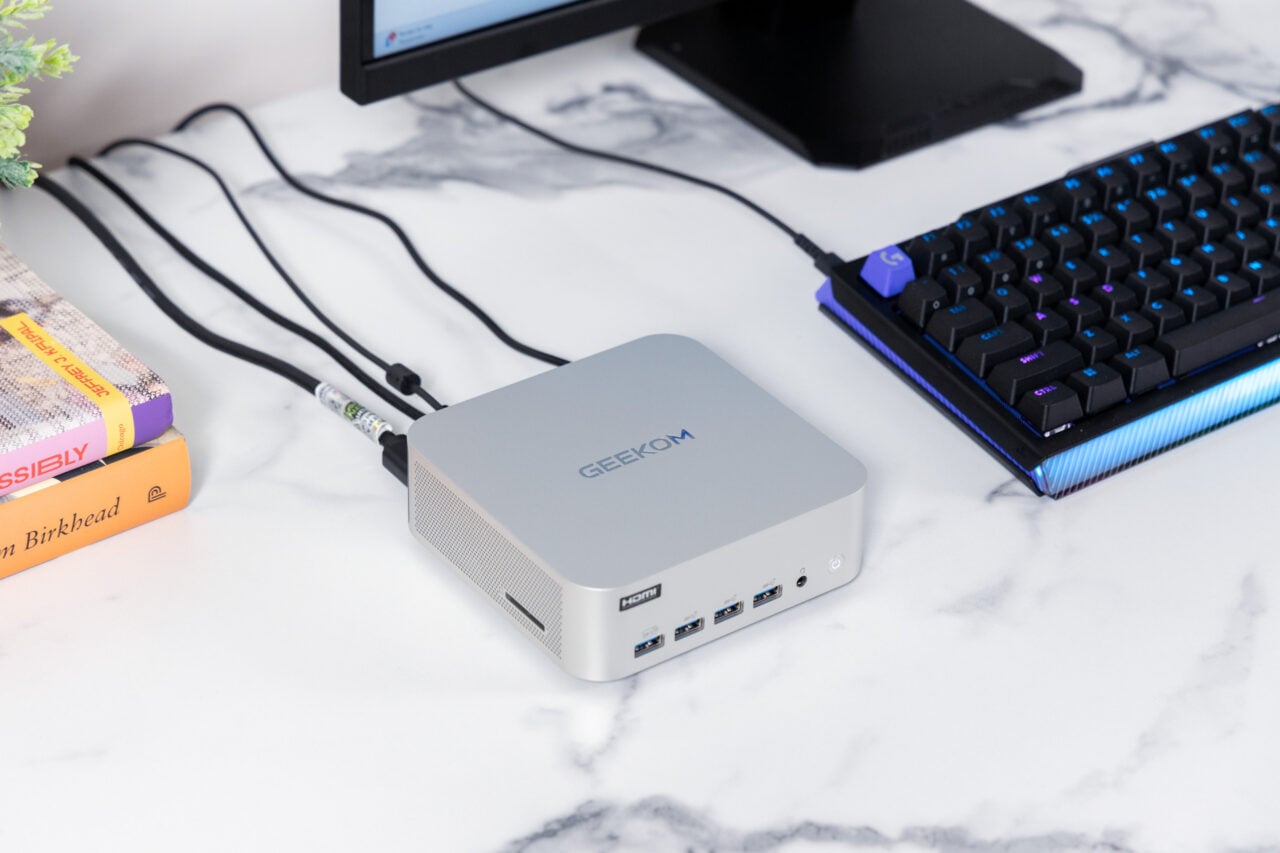
What Is An AI PC In 2026 AI Laptop Meaning Buying Guide Innova Retail What Is An AI PC In 2026 And Do You Really Need One . Why RAM Is So Expensive In 2026 And What PC Buyers Should Do. Best Color Laser Printer 2026 Top All In One Color Laser Printers PC Best Printer For Stickers 1 . Jogos Gr Tis Em Julho De 2026 Veja O Que D Para Resgatar Ss. Geekom A9 Max 2026 Review Not Much Max About It Geekom A9 Max Review 5 1280x853


How Much Does It Cost To Build A Gaming PC In 2026 Full Budget Guide Low Cost PC For Gaming 768x402 . Desktop PC Upgrade Guide 2026 Maximize Performance Save Money . MI NUEVA PC EN 2026 COMPONENTES PRECIO Y M S YouTube . What Kind Of Laptop Do I Have How To Check Model Specs . What Will The Q4 2026 Next Generation Computers Be Like By Brecht


Best Laptops 2026 Top Picks For Every Budget Use Case Xthe Best Laptops 2026 Top Picks For Every Budget Use Case 750x350 . 12 AMD Gaming PC In 2026 Is It Any Good YouTube . ULTIMATE Creators PC Build For 2026 A Complete Guide YouTube . How To Choose The Right Gaming PC In 2026 Complete Guide Complete Guide . The Best PCs Desktop Computers For 2026 Velocity Micro Raptor Z55a 2025 Yrgy




8 Best Desktop DACs July 2026 Reviewed And Ranked Best Desktop DACs Image . Mon Nouveau PC Pour 2026 YouTube . I Built An Entire PC From The Best Amazon Spring Sale PC Component Amazon Spring Sale 2026 Pc Build Header Tech Deal . On Est En 2026 Et T As Toujours Pas De PC Gagne Ce MINI PC MiniPC Oardefault . What Does 1000 Actually Get You In The 2026 PC Market Unnamed 14