Gaming has become a fundamental aspect of modern recreation, offering much more than simple entertainment. For many adults, particularly those around the average age of 36 who juggle jobs, families, and daily responsibilities, gaming provides a vital avenue for stress relief, cognitive engagement, and social connection. This comprehensive guide explores why gaming is undeniably a recreational activity, delving into its numerous benefits for mental well-being, skill development, and community building. We address common challenges faced by busy gamers, from optimizing short play sessions to making smart hardware investments and staying current with trends without the hype. Discover practical tips and insights to seamlessly integrate gaming into your life, ensuring it remains a rewarding and balanced part of your recreational portfolio. Learn how to navigate the evolving gaming landscape, embracing mobile play, cross-platform experiences, and vibrant online communities to maximize your enjoyment and enhance your overall quality of life. This article is designed to empower you to claim your recreational gaming time effectively.
Is Gaming Considered a Healthy Recreational Activity for Adults?
Yes, for many adults, gaming is a healthy and fulfilling recreational activity that offers significant benefits beyond mere entertainment. When approached with balance, it provides stress relief, cognitive stimulation, and a robust platform for social interaction. Recent data from the US shows that 87% of adult gamers play regularly, often dedicating over 10 hours a week, indicating its widespread acceptance as a legitimate leisure pursuit. Gamers report improved problem-solving skills, enhanced reaction times, and better strategic thinking. The key is moderation and integrating gaming alongside other life responsibilities, which countless adults successfully manage.
How Can Gaming Improve My Cognitive Skills and Mental Well-being?
Gaming, particularly strategy, puzzle, and action titles, can significantly enhance cognitive functions such as problem-solving, critical thinking, and spatial reasoning. Many games demand quick decision-making under pressure, improving reaction times and multitasking abilities. Beyond raw brainpower, gaming offers a potent form of stress relief and a mental escape, crucial for adults juggling demanding jobs and family lives. It can foster a sense of accomplishment, reduce anxiety, and even help manage mental health symptoms by providing a positive outlet and a structured environment for engagement. The immersive nature allows for a temporary respite from daily stressors.
What are the Best Ways for Busy Adults to Fit Gaming into a Tight Schedule?
Balancing gaming with a packed life requires smart planning and setting realistic expectations. First, identify specific, consistent time slots for gaming, even if they're just 30-minute bursts. Prioritize games that offer satisfying experiences in shorter sessions, like roguelikes, competitive multiplayer matches, or story-driven games with clear save points. Utilize mobile gaming for on-the-go recreation, as US data indicates its growing dominance for casual play. Communicate your gaming time with family to avoid conflicts and consider shared gaming experiences with them. Remember, quality over quantity is key; a focused, enjoyable session is better than a rushed, stressful one.
Can Gaming Truly Help Me Connect with Friends and Build New Relationships?
Absolutely. Modern gaming is inherently social, evolving far beyond solo experiences. Multiplayer titles, cooperative games, and active online communities (like Discord servers dedicated to specific games or interests) offer robust platforms for connecting with both existing friends and new acquaintances. Many gamers, particularly those around the average age of 36, use gaming as their primary means of social interaction, especially with friends spread across different locations. This month's trends continue to highlight the rise of social and cozy games, emphasizing collaboration and casual interaction over intense competition. These connections provide emotional support, shared experiences, and a sense of belonging that are vital for well-being.
How Do I Choose Games That Offer Good Value for My Limited Time and Money?
Choosing value-driven games means looking for titles that offer high replayability, deep content, or an engaging social experience without demanding excessive financial or time commitments. Free-to-play games, often supported by optional cosmetic purchases, can provide hundreds of hours of entertainment. Look for games with robust single-player campaigns that respect your time with clear progression and save systems, or multiplayer titles with drop-in/drop-out mechanics. User reviews and reputable gaming journalism can guide you to titles praised for their content-to-price ratio and engaging gameplay loops. Subscriptions like Xbox Game Pass or PlayStation Plus also offer vast libraries at a fixed monthly cost, minimizing upfront game purchase risks.
What Low-Cost Upgrades Can Significantly Improve My Recreational Gaming Experience?
You don't need to break the bank for a better gaming experience. For PC gamers, upgrading RAM or investing in a solid-state drive (SSD) can dramatically improve load times and overall system responsiveness. A comfortable, ergonomic gaming chair or a quality headset with a clear microphone enhances immersion and comfort, especially for longer sessions or social play. For console players, an external SSD can speed up game loading. Consider a high-refresh-rate monitor if your system can handle it, as it offers a smoother visual experience. Prioritize upgrades that address your specific pain points, whether it's slow loading, poor audio, or discomfort, focusing on value for money rather than just raw power.
Is Gaming an Effective Way to De-Stress After a Long Workday?
Yes, for millions of adults, gaming serves as a highly effective and immediate method for de-stressing after a demanding workday. The immersive nature of games allows players to shift their focus from work-related anxieties to engaging challenges within a digital world. Whether it's the methodical planning of a strategy game, the cooperative camaraderie of a social MMO, or the pure escapism of a narrative adventure, gaming provides a controlled environment where players can relax, feel a sense of agency, and experience positive emotions. The mental engagement can distract from daily pressures, helping to clear the mind and provide a much-needed break before transitioning back to other responsibilities.
Ever feel like you are cramming your gaming sessions into tiny windows, wondering if it is even worth the effort amidst the daily grind of work, family, and life responsibilities? You are not alone. For the average US gamer, around 36 years old, who dedicates over 10 hours a week to their favorite digital worlds, finding that sweet spot between relaxation, engagement, and obligation is a constant juggle. Many of us value gaming for the pure fun, the skill-building, the social connection, or simply as a way to unwind, but often wrestle with setup issues, performance hiccups, or the overwhelming choice of games when time is short. We want value for our money, smart upgrades, and to stay current without getting caught in the relentless hype machine. The good news is, gaming absolutely qualifies as a recreational activity, and with a few insights, you can optimize your experience to be more fulfilling and less frustrating.
This article is your practical guide to embracing gaming as a legitimate and beneficial recreational pursuit. We will cut through the noise, address your pain points, and provide actionable solutions to help you make the most of your limited gaming time and budget. From understanding the real benefits gaming offers to finding the right games that fit your schedule and building a supportive community, we will explore every facet of why and how 'is gaming recreational activities' is a crucial question for the modern adult. Recent US gaming statistics show that 87% of gamers play regularly, underscoring its significant role in daily life. So, let us dive into transforming your gaming from a guilty pleasure into a well-integrated, enriching recreational activity.
Is Gaming Truly a Recreational Activity for Adults?
Yes, unequivocally, gaming is a legitimate and incredibly popular recreational activity for adults across the United States. Recreation is defined as any activity done for enjoyment when one is not working. Gaming perfectly fits this definition, providing a diverse range of experiences from intense competition to relaxing narratives and creative outlets. It serves as a vital form of stress relief and mental engagement for millions, particularly those balancing demanding careers and family lives. The immersive nature of games allows for a mental escape, offering a temporary but powerful break from daily pressures. Unlike passive entertainment, gaming often requires active participation, strategic thinking, and problem-solving, engaging the brain in unique ways.
Beyond the simple act of play, gaming often involves social interaction, skill development, and a sense of accomplishment, all hallmarks of enriching recreational pursuits. For many adult gamers, it is not just about passing time; it is about connecting with friends, learning new strategies, overcoming challenges, and exploring vast, imaginative worlds. The sheer variety of games available today ensures there is something for everyone, catering to different moods and preferences, whether you have an hour or just fifteen minutes to spare. This accessibility and diversity further solidify its status as a premier recreational activity in the 21st century.
What are the Mental and Social Benefits of Gaming for Busy Adults?
Gaming offers a wealth of benefits for adults navigating busy lives, extending far beyond mere entertainment. Mentally, games can be incredible stress relievers. After a long day of work, diving into a virtual world can effectively reduce anxiety and provide a much-needed mental break. Strategy games, puzzles, and even action titles can sharpen cognitive skills such as problem-solving, critical thinking, and reaction time. Many gamers report improved focus, enhanced multitasking abilities, and better strategic planning, all skills transferable to real-world scenarios. The sense of achievement from overcoming in-game challenges can also boost self-esteem and mood.
Socially, modern gaming is a powerhouse. With the rise of cross-play and platforms like Discord, connecting with friends and making new ones through shared gaming experiences is easier than ever. For many adult gamers, especially those around the average age of 36, online multiplayer games and dedicated communities offer a primary avenue for social interaction, maintaining friendships across distances, and forming new bonds. Cozy games and cooperative titles, currently trending this month, emphasize collaboration and casual chat, fostering genuine connections without intense pressure. This social aspect is crucial for combating isolation and strengthening community ties, which are essential for overall well-being.
How Can I Effectively Balance Gaming with My Work and Family Responsibilities?
Balancing gaming with work and family life is a common pain point for many adult gamers, but it is entirely achievable with strategic planning and clear communication. The key is to treat your gaming time as a valued commitment, much like a gym session or a dinner date. First, establish a schedule. Identify specific, consistent time slots for gaming, even if they are only 30-60 minutes a few times a week. Communicate these times to your family to manage expectations and avoid conflicts. For example, playing after children are asleep or during a dedicated lunch break can be effective.
Second, choose games that respect your time. Many modern titles offer satisfying experiences in shorter bursts or have clear save points, allowing you to jump in and out easily. Mobile gaming, which dominates casual play among US adults, is perfect for filling small gaps in your day. Prioritize quality over quantity; a focused, enjoyable 45-minute session is far more rewarding than a rushed, interrupted two-hour one. Consider involving family members in gaming if appropriate; co-op games or family-friendly titles can turn gaming into a shared activity, integrating it further into your family life rather than separating it. Finally, remember that gaming should be a source of relaxation, not another stressor. Be flexible and adjust your schedule as life demands, always keeping balance in mind.
What Games Are Best for Limited Playtime and Relaxation for Busy Gamers?
For gamers with limited time and a need for relaxation, selecting the right games is crucial. Focus on genres and titles that offer satisfying experiences in shorter bursts or allow for easy drop-in/drop-out play. Here are some recommendations:
- Roguelikes/Roguelites: Games like Hades, Slay the Spire, or Dead Cells offer complete, engaging runs that typically last between 30 minutes to an hour. Each run is fresh, providing a sense of accomplishment even if you cannot finish the entire game.
- Competitive Multiplayer (Short Rounds): Titles like Rocket League, Fall Guys, or even a quick match in Call of Duty or Apex Legends can provide intense fun in 10-20 minute increments. The clear start and end of rounds make them perfect for squeezing into tight schedules.
- Cozy Games: Games like Animal Crossing: New Horizons, Stardew Valley, or Palia are designed for relaxation and casual progression. They offer endless content without demanding intense focus, perfect for unwinding. These titles are particularly trending this month for their low-stress engagement.
- Puzzle Games: Mobile puzzle games (e.g., Candy Crush, Wordle-likes) or PC/console puzzle adventures (e.g., Portal 2, The Witness) are excellent for short, mentally stimulating breaks.
- Story-Driven Games with Clear Save Points: Many single-player narrative games allow you to make significant progress in 30-45 minute segments. Look for titles praised for their pacing and convenient saving mechanics.
- Cloud Gaming Services: Platforms like Xbox Cloud Gaming or NVIDIA GeForce NOW allow instant access to a vast library without downloads, reducing friction for quick sessions.
The key is finding games that align with your available time slots and provide immediate gratification or clear progression, ensuring your recreational gaming is always enjoyable and never feels like a chore.
How Can I Upgrade My Gaming Setup on a Budget Without Sacrificing Performance?
Upgrading your gaming setup without breaking the bank is about making smart, impactful choices. Many adult gamers, often balancing other financial responsibilities, want to optimize performance for value rather than chasing bleeding-edge tech. Here are some key areas to consider:
- Solid State Drive (SSD) Upgrade: If you are still using a Hard Disk Drive (HDD), upgrading to an SSD is perhaps the most significant performance boost you can get for your money. Games will load dramatically faster, and your entire system will feel snappier. Even a 500GB or 1TB SATA SSD can make a huge difference for around $50-$100.
- RAM (Memory) Boost: Many systems come with 8GB of RAM, which can be a bottleneck for modern games. Upgrading to 16GB (two 8GB sticks) can significantly improve frame rates and prevent stuttering, often costing less than $70-$100.
- Used Graphics Card (GPU): This is trickier but can offer massive performance gains. Research reputable sellers on platforms like eBay or local marketplaces for well-maintained used GPUs. A previous generation card can still offer excellent performance for 1080p or even 1440p gaming at a fraction of the new price. Always check seller ratings and ask for benchmarks.
- High-Refresh Rate Monitor: If your current monitor is 60Hz, upgrading to a 144Hz monitor, even a 1080p one, will make games feel incredibly smooth, assuming your PC can push the frames. You can often find decent 144Hz monitors for under $200.
- Quality Peripherals: While not performance upgrades, a comfortable gaming chair, a precise gaming mouse, or a quality headset can vastly improve your overall recreational experience. Look for sales on established brands rather than budget unknowns.
- Optimization Software: Regularly updating drivers, cleaning up your operating system, and using game mode features can squeeze extra performance out of existing hardware for free.
Focus on one or two key upgrades that address your biggest pain points. A fast SSD and sufficient RAM often provide the best bang for your buck, ensuring your system runs smoothly and games load quickly, maximizing your limited play time.
Where Can I Find a Gaming Community for Social Play and Connection?
Finding a gaming community for social play is one of the most rewarding aspects of recreational gaming for adults. Beyond just playing games, connecting with like-minded individuals adds immense value, particularly for the 60% of gamers who appreciate the social element. Here is where to look:
- Discord Servers: This is arguably the most vibrant hub for gaming communities in 2026. Almost every popular game has multiple active Discord servers, often with specific channels for LFG (looking for group), discussions, and voice chat. Search for servers related to your favorite games, streamers, or even broad gaming interests.
- In-Game Guilds/Clans/Teams: Many multiplayer online games, especially MMOs (Massively Multiplayer Online games) and competitive titles, have built-in guild or clan systems. Joining an active, friendly guild can immediately connect you with a group for regular play, shared goals, and banter.
- Reddit Communities: Subreddits dedicated to specific games (e.g., r/DestinyTheGame, r/StardewValley) often have active communities and LFG posts. Many even link directly to associated Discord servers.
- Friends Lists: Start by playing with friends you already know. Even if they are casual gamers, initiating game sessions can be a great way to reconnect and build a regular playgroup.
- Twitch & YouTube Communities: Many streamers and content creators have engaged communities, often extending to their Discord servers. If you enjoy a particular streamer, joining their community can introduce you to others with similar tastes.
- Local Gaming Stores/Clubs: While less digital, some areas still have local gaming stores or clubs that host tabletop or video game nights. This can be a great way to meet people face-to-face.
When joining a new community, take your time to observe the culture, introduce yourself respectfully, and be an active, positive participant. You will soon find your tribe for enjoyable and consistent social gaming experiences.
Are In-Game Purchases Worth It, or Just Hype and Budget Traps?
The world of in-game purchases (IGPs), microtransactions, and battle passes can definitely feel like a minefield, with a mix of genuine value and aggressive monetization. For the budget-conscious gamer, around the average age of 36, navigating this requires a discerning eye. The short answer is: some are worth it, many are not. It really depends on what you value and the game in question.
- Cosmetics/Skins: These offer no gameplay advantage and are purely for personalization. If expressing yourself in a game or supporting a developer you love is important to you, and the price feels reasonable, they can be worth it. However, it is easy to get caught up in FOMO (Fear Of Missing Out) or collect a vast wardrobe you rarely use.
- Battle Passes/Season Passes: These often offer a good value if you play the game regularly. They provide a structured progression system with a mix of cosmetic and sometimes in-game currency rewards for a fixed price, usually over a season. If you complete most of the pass, you often get your money's worth, sometimes even earning back enough currency to buy the next pass.
-
Gaming is a recognized recreational activity offering relaxation and engagement. Benefits include stress relief, cognitive skill development, and social connection. Adult gamers balance hobby with work and family, prioritizing efficient play. Mobile and cross-play platforms dominate modern recreational gaming. Budget-friendly options and smart upgrades are key for many gamers. Gaming fosters community and can improve problem-solving abilities. It provides a crucial mental escape for busy professionals.
33#1 Gallery is gaming recreational activities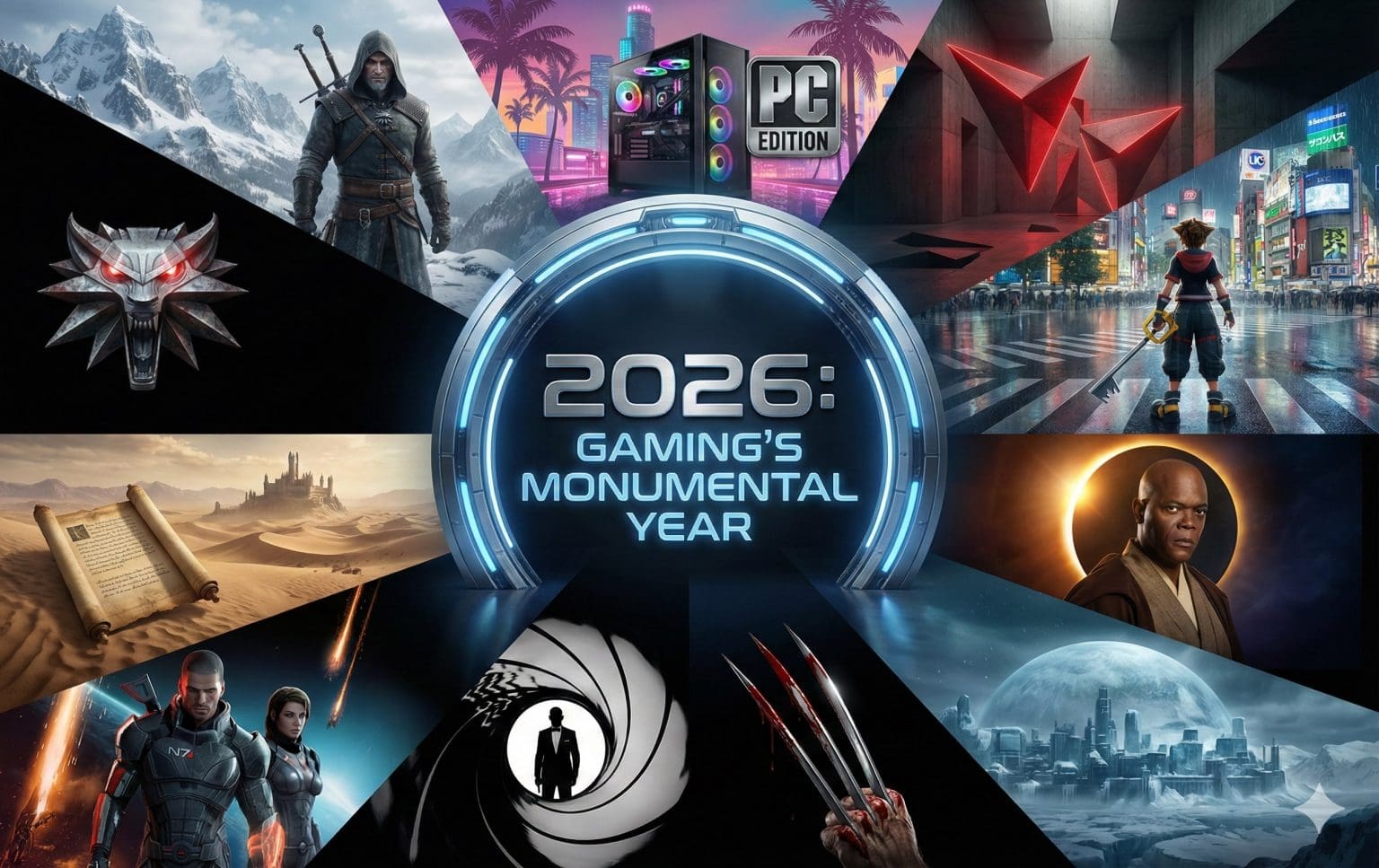



10 Much Awaited Games Set To Launch In 2026 Games To Launch 2026 1536x967 . Video Games 2026 Key Trends Shaping The Future Of Play Mavigadget Blog . Exciting Co Op Games Coming In 2026 What To Play Together Next Year . Gaming Industry Trends 2026 Cloud Gaming AI Metaverse Web3 Gaming Trends 2026.webp. Gaming Industry Statistics And Revenue Data 2026 Icon Era Statistics Gaming Industry Revenue Statistics 2026
#2 Gallery is gaming recreational activities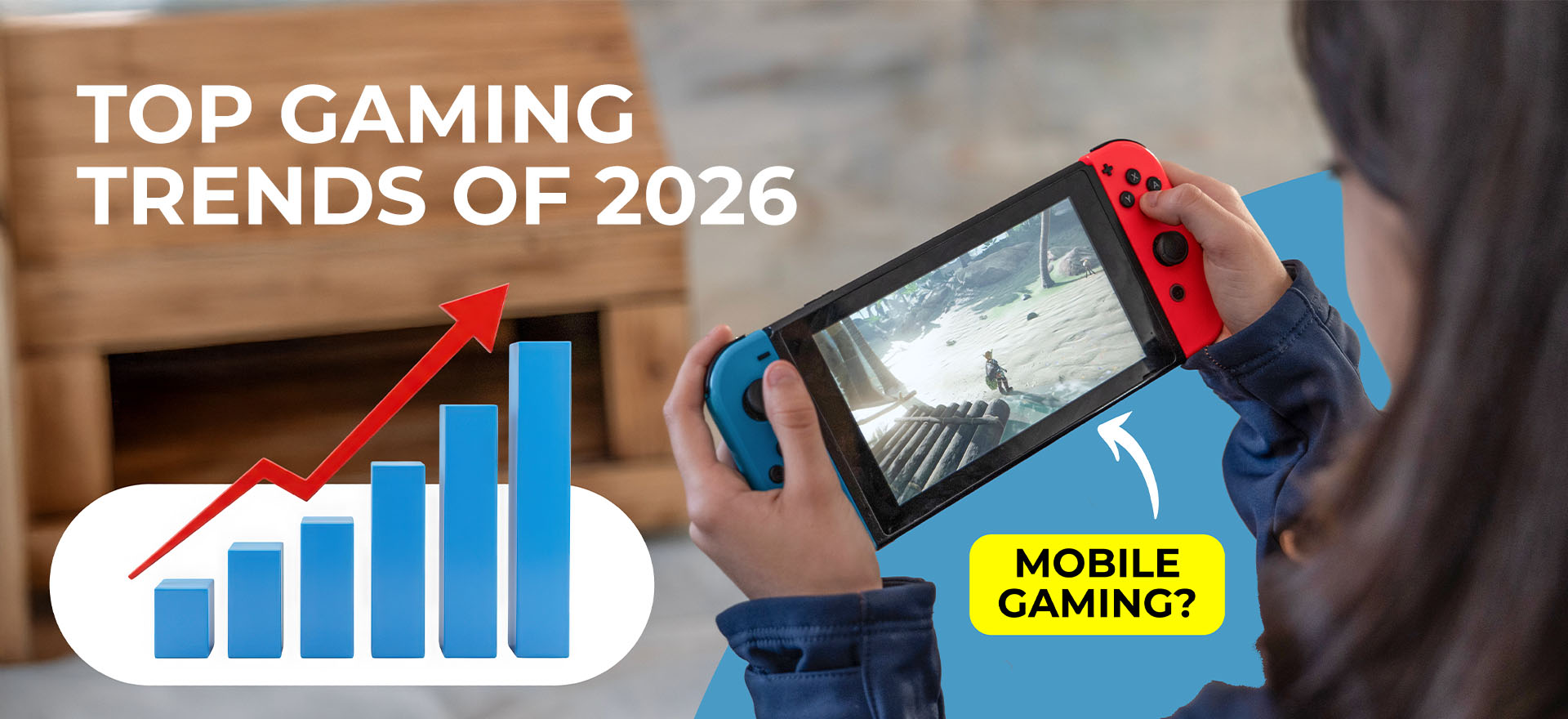
/bmi/media/media_files/2025/12/24/2026-gaming-2025-12-24-15-08-42.png)

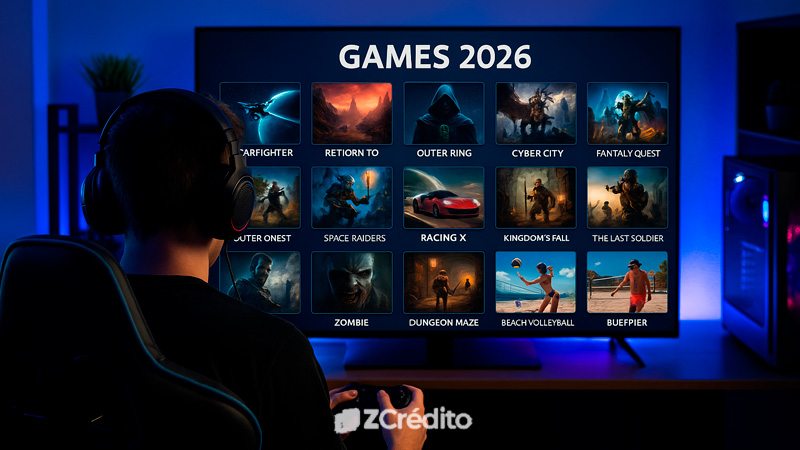
Top Gaming Trends Of 2026 TREND . How Regulation And Esports Recognition Reshaped India S Gaming Industry 2026 Gaming 2025 12 24 15 08 42 . 2026 Upcoming Games And Game Release Dates Guide 2026 Upcoming Games Release Dates . The Most Anticipated Games Of 2026 That Gamers Can T Wait For ZCr Dito 20250822 Most Anticipated Games Of 2026 . Video Games 2026 Ones To Watch Part 2 Quest Daily 2026 Games Pt 2
#3 Gallery is gaming recreational activities


Top 10 Most Anticipated Games Of 2026 What To Watch Out For TVN GAMES IN 2026 . Game S 2026 Industry Barometer The Mood In The German Games Industry Games Industry Barometer 2026 Scaled . Most Anticipated Games Coming In 2026 For Every Platform 2026 Most Anticipated Games . Top 15 VR Games Of 2026 Best Value Virtual Reality Picks 2026 FI VR EN . Video Games 2026 Ones To Watch Part 1 Quest Daily 2026 Games Pt 1
#4 Gallery is gaming recreational activities



Next Level Gaming The Most Anticipated Games Of 2026 You Can T Miss Gemini Generated Image . 20 Most Anticipated Video Games Of 2026 Page 18 1200x675 . What Are The Top Upcoming Games In 2026 Every Gamer Should Watch Game 1024x683 . NextPlay S Most Anticipated Games Of 2026 NextPlay Australia Most Anticipated 1 . Upcoming Games 2026 Full Video Game Release Calendar Beebom 2026 Games Release Schedule
#5 Gallery is gaming recreational activities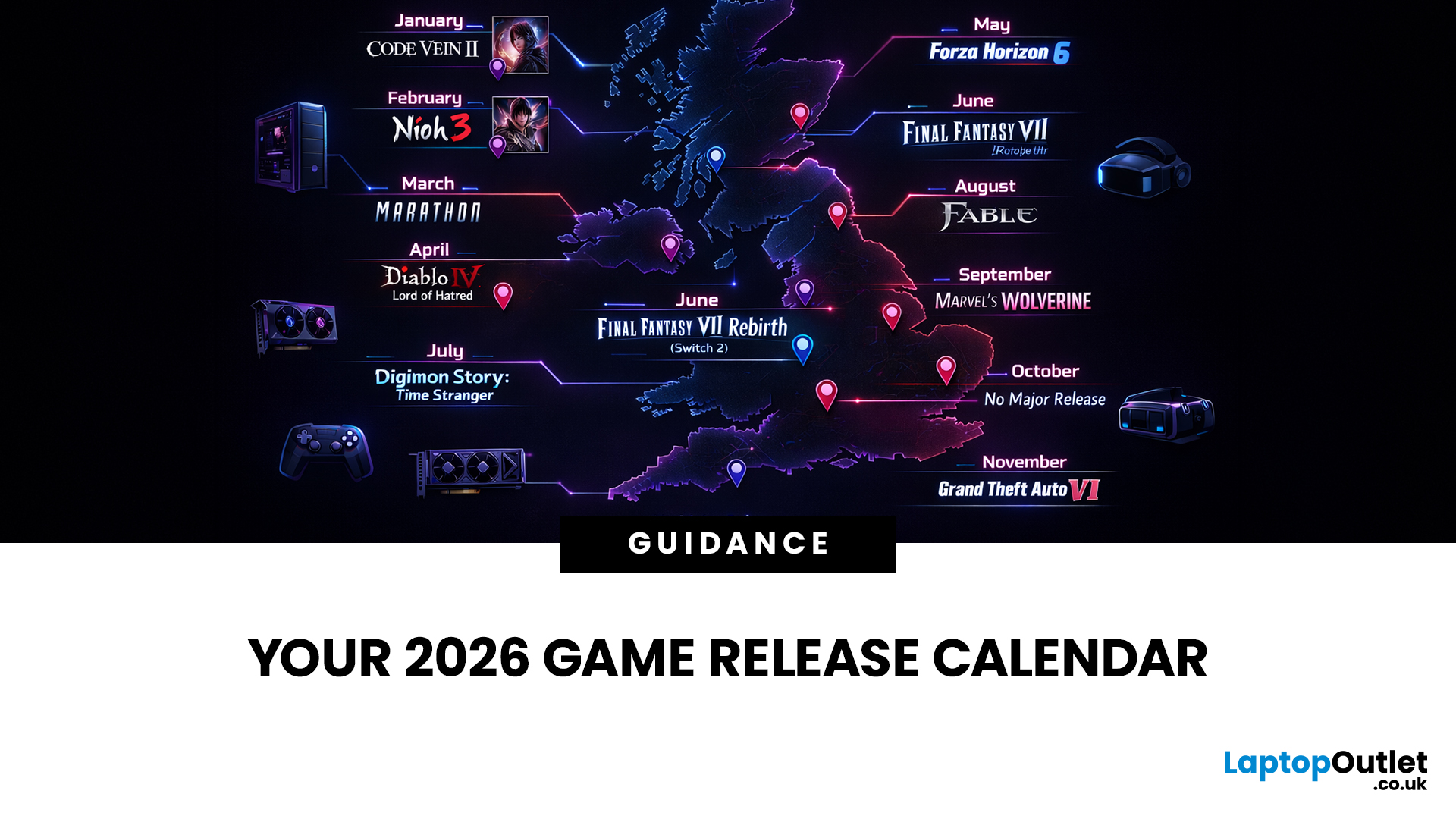


2026 Game Releases Full Upcoming Games Calendar Release Dates PS5 Game Releases Full Calendar Release Dates Main . Most Anticipated Games Coming Out In 2026 Titles To Watch Most Anticipated Games Of 2026 768x430 . Top Upcoming Games Of 2026 You Shouldn T Miss Gamersshub Top Games 2026 Gghub . 2026 Games Release Schedule Everything Coming Out This Year 2026 Most Anticipated Games . Lineup Revealed For Xbox Game Pass Games March 2026 Xbox.webp
#6 Gallery is gaming recreational activities


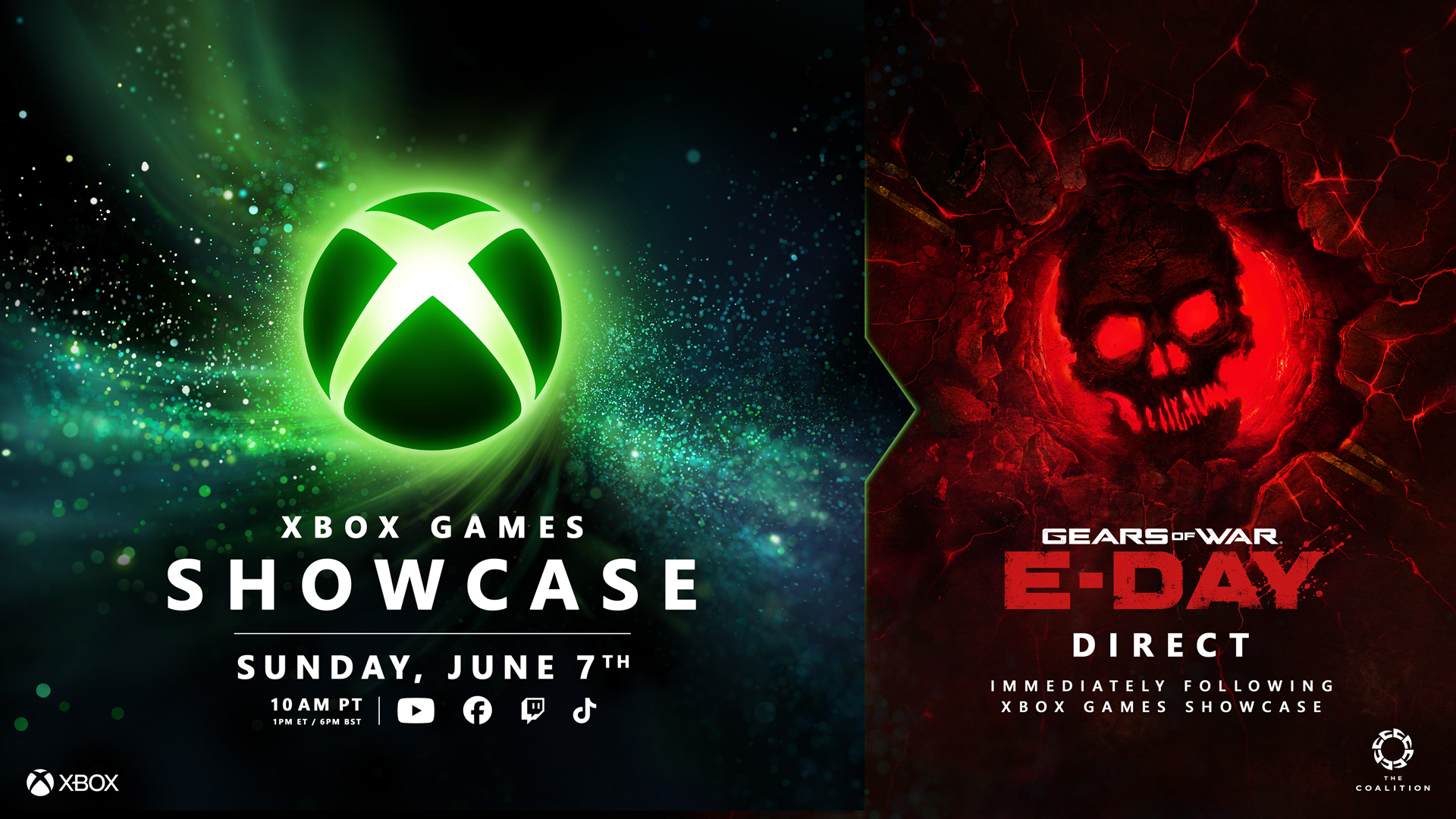
New Year 2026 Gaming Goals Resolution Worksheets Activities By 750f 15195834 3 . FullCleared S Most Anticipated Games Of 2026 FullCleared Fullcleared Most Anticipated Games Of 2026 . 2026 Winter Game Bundle Winter Sports Trivia Games 50 750f 15364940 1 . Winter Games 2026 PowerPoint Ca Pe 1763280297 Winter Games 2026 Information Powerpoint Ver 1 . Xbox Games Showcase 2026 Followed By Gears Of War E Day Direct Airs 2026 Showcase 16x9 1
#7 Gallery is gaming recreational activities


Winter Games 2026 Junior Reading Activity Ca En 1764169492 Winter Games 2026 Junior Reading Activity 1 Ver 1 . Highland Games 2026 MG Drivers Club Deutschland E V . 100 Most Anticipated Games Of 2026 AAA Indie Everything In Between